

What Spokane Drivers Should Look for in a Used Ford 4×4
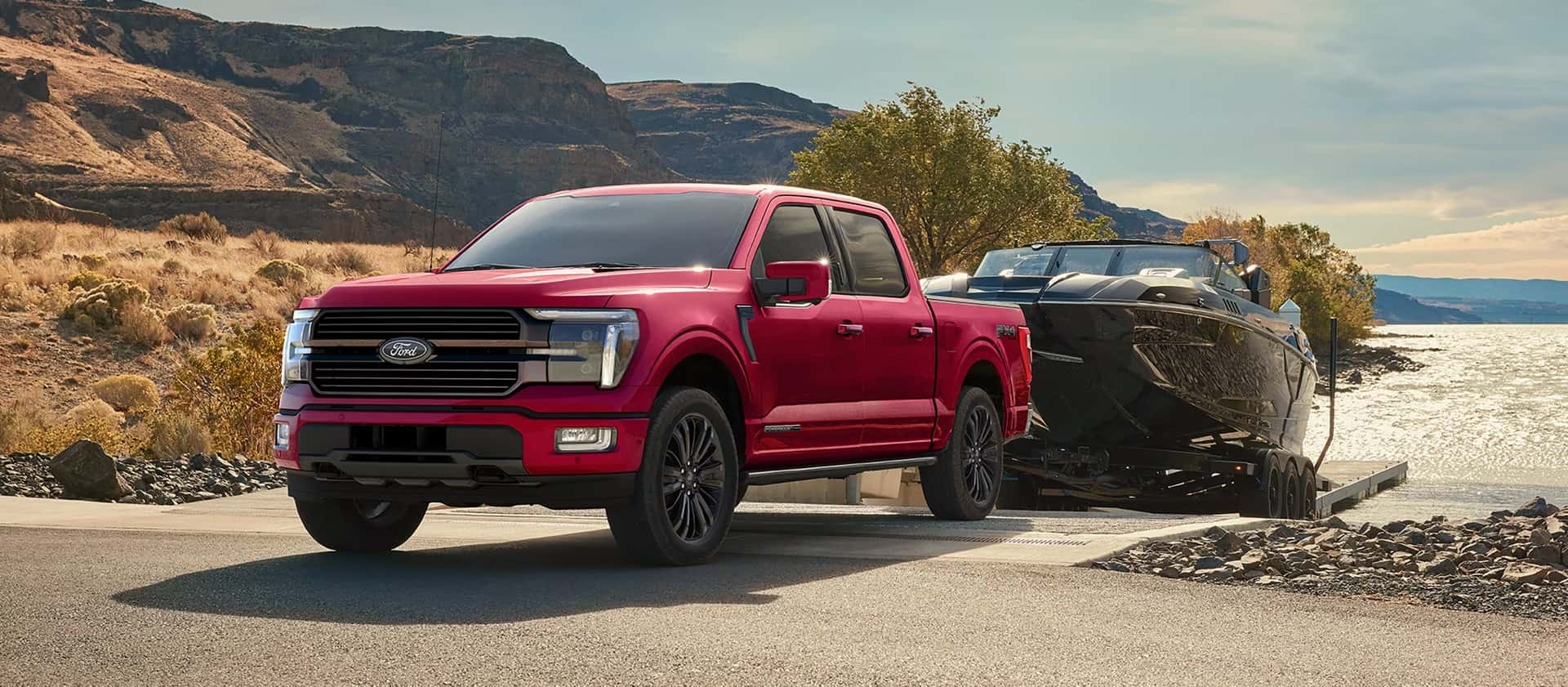
Buying a used 4×4 in Spokane is a different game than shopping for one in a more mild climate. The Inland Northwest is hard on vehicles: road salt from November through March, spring mud, summer dust, and plenty of drivers who actually use their trucks as intended. That means the used F-150, F-250, or Ranger you’re considering has likely earned its miles in ways that matter.
Knowing what to look for before you sign anything can save you thousands and keep you out of a ditch when the weather turns. Browse our used inventory to see what we currently have available at Wendle Ford.
Why Spokane’s Roads and Weather Demand a Closer Look at Any Used 4×4
Spokane sits in a climate zone that swings between wet, freezing winters and dry, dusty summers. Washington state highways use mixed salt solutions in winter, which accelerates undercarriage corrosion and seal degradation compared to drier climates. Eastern Washington soil also contains fine volcanic-ash-like silt that works its way into seals and speeds up wear. Freeze-thaw cycles stress frame metal and brake lines in ways drivers in milder climates simply don’t encounter.
When buying a 4×4 in this region, assume the truck has been through several seasons of hard use. That’s not a dealbreaker, but skipping a thorough inspection is never a good idea. A truck that looks clean on the surface can hide rust, worn drivetrain parts, or deferred maintenance that only reveals itself the moment you actually need four-wheel drive to work.
Start With the Frame and Undercarriage
The frame and undercarriage tell the most honest story about a used truck’s past. Before you start the engine, get underneath or use a flashlight to check what you can from the outside.
Signs of Rust: Cosmetic vs. Structural Concerns
Surface rust shows up as a light reddish film on metal. It looks concerning but generally doesn’t compromise safety. Structural rust is another matter. If you press on a rusted area and the metal flexes or flakes away, that’s structural deterioration. A truck with structural rust in critical areas can be unsafe to drive, and repairs often cost more than the truck is worth. Pay close attention to the frame rails, body mounts, and the area around the rear axle housing.
Evidence of Off-Road Abuse to Watch For
Deep gouges or fresh scraping on the skid plates suggest the truck has been high-centered or dragged over rocks. Check the tie rod ends and control arms for bends or cracks, since bent components from rough terrain compromise steering and alignment. Uneven or aggressive tire wear is another signal worth investigating. If the tires are worn more on one side, an alignment issue is likely.
How to Inspect and Test the 4×4 Drivetrain
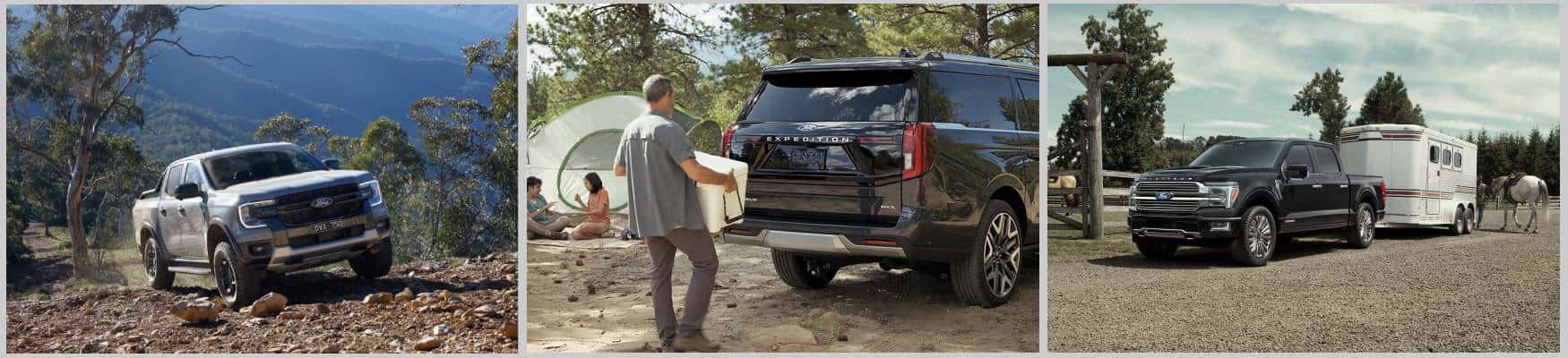
A 4×4 system that looks fine sitting still can behave differently under load. Testing the drivetrain properly is one of the most important steps in any used truck inspection.
Transfer Case, Locking Hubs, and U-Joints
The transfer case splits power between the front and rear axles and lets the truck shift between 2H, 4H, and 4L. When you test drive the truck, engage all modes. Four-low should engage with a slight clunk and a noticeable change in throttle response. Any grinding, difficulty shifting, or failure to engage is a red flag.
On older Ford trucks with manual locking hubs, confirm both hubs lock and unlock cleanly. U-joints connect the driveshafts to the axles and transfer case. Grab each driveshaft and try to move it. Any noticeable play or roughness indicates wear that will need addressing soon.
What Unusual Noises During the Test Drive Tell You
A healthy 4×4 drivetrain is relatively quiet in all modes. Clunking when shifting into or out of 4WD suggests worn transfer case components or loose driveline hardware. A grinding noise during acceleration could point to a failing differential or worn CV joints. Whining from underneath, especially under load, often means a differential with bearing wear. Never dismiss unusual sounds as minor.
Powertrain and Fluids: Key Things Ford Buyers Should Check
Ford’s truck powertrains are durable under normal conditions, but neglect shows up in the fluids well before it causes any visible mechanical damage.
Reading Fluid Condition as a Diagnostic Tool
Pull the engine oil dipstick. Clean, amber-colored oil indicates good upkeep. Black, gritty, or milky oil suggests long service intervals or a cooling system issue. Transmission fluid should be pink to red with a slightly sweet smell. Dark brown or burnt-smelling fluid means the transmission has been running hot or gone too long between services.
For 4x4s specifically, also check the transfer case fluid and differential fluids. Ford’s factory spec calls for transfer case fluid service at 60,000 miles under severe or off-road conditions, and 150,000 miles under normal conditions. If a seller can’t confirm when these fluids were last changed and there’s no service record to back it up, that uncertainty should factor into your decision.
If you want a professional evaluation before committing, schedule a pre-purchase inspection with our service center. It’s one of the smartest steps an informed buyer can take.
Suspension, Brakes, and Tires on Spokane-Area Used Trucks
A used 4×4 here does double duty: confident handling on icy roads in January and reliable performance on a rutted forest service road in August.
Check front and rear shocks for leaking fluid. Grab each front tire and try to move it side to side and up and down. Excessive play indicates worn ball joints or tie rod ends. Bounce the corners of the truck to test the shocks. If the truck keeps bouncing after you push down, the shocks are tired. Look through the wheel spokes at the rotors. Heavy scoring or a lip at the rotor edge means replacements are due.
Lift Kits and Modified Suspension: Questions to Ask
Lifted trucks are common in the Spokane area, and a well-executed lift on a solid platform can genuinely improve capability. The problem is that plenty of lifted used trucks have poorly installed components that cause premature wear on tires, joints, and drivetrain parts.
If the truck has a lift, ask what brand was installed, who did the work, and whether alignment was corrected afterward. Verify that extended brake lines were used, since stock lines can be dangerously stretched. Inspect the CV axle angles on the front end. Extreme angles from aggressive lifts cause rapid CV joint wear and can make the truck unreliable in 4WD. A lift done right by a reputable shop is a very different thing from one thrown on for a quick sale.
Service History and Pre-Purchase Inspection: Why They Matter Most
A truck with consistent service records is worth more than one without them, even if both look similar on the surface. For 4x4s, the key records to look for include differential and transfer case fluid changes, transmission service, and any documentation of front axle or drivetrain work.
If the seller has no records, that’s not automatically a dealbreaker, but it means you have no way to verify the truck’s history beyond what you can observe. In those cases, a pre-purchase inspection by a qualified technician is not optional.
Our service center can put the truck on a lift, scan for fault codes, and identify issues that even an experienced buyer can miss. The cost of an inspection is small compared to what you’d spend discovering a serious problem after you’ve already taken ownership.
Red Flags That Should Make You Walk Away
Watch out for the following red flags, as they often indicate serious mechanical issues or poor maintenance that can make the vehicle a bad buy:
- Structural rust in the frame rails, suspension mounts, or crossmembers
- Seller refuses a pre-purchase inspection
- Missing or inconsistent VIN numbers, title issues, or undisclosed accident repairs
- The 4×4 system fails to engage during the test drive
- The transfer case grinds or slips during mode changes
- Burnt transmission or differential fluid with no service records
- Lift kit with no documentation of who installed it or whether alignment was corrected
- Excessive play in U-joints, CV joints, or wheel bearings
- Bent control arms, tie rods, or steering components
Popular Used Ford 4×4 Models: A Quick Comparison
Below is a quick overview comparing popular used Ford 4×4 models, focusing on drivetrain setup, common wear points, and what to prioritize during inspection.
Find an Inspected Used Ford 4×4 at Wendle Ford in Spokane
We’ve been serving Spokane and the Inland Northwest since 1943, and our reputation is built on honest guidance and long-term customer relationships. Our used inventory is inspected before it reaches the lot, so you get a clearer picture of what you’re buying without relying entirely on a flashlight and a seller’s word.
Browse our used inventory online, or schedule a pre-purchase inspection if you’d like us to evaluate a truck before you commit. You’re also welcome to visit us in person or contact us with any questions.
Wendle Ford is located at 9000 N. Division Street, Spokane, WA 99218. Reach our sales team by phone at (509) 581-5268.
Frequently Asked Questions
What should I check first when buying a used Ford 4×4 in Spokane?
When buying a used Ford 4×4 in Spokane, start with the frame and undercarriage. Look for structural rust on the frame rails, body mounts, suspension mounts, and crossmembers, then check for deep scraping, bent steering components, uneven tire wear, and other signs of hard off-road use.
How do I test a used 4×4 drivetrain?
Test the used 4×4 drivetrain by engaging all available 4WD modes during the test drive, including 4H and 4L when applicable. Four-low should engage with a slight clunk and a noticeable change in throttle response. Grinding, failure to engage, slipping, clunking, or whining under load can point to transfer case, differential, CV joint, or driveline wear.
Is rust always a dealbreaker on a used truck?
Surface rust is not always a dealbreaker, but structural rust should be taken seriously. Light reddish surface rust can be normal on older trucks, while rust that flakes, flexes, or affects frame rails, body mounts, suspension mounts, or crossmembers may make the truck unsafe or too expensive to repair.
Should I get a pre-purchase inspection for a used Ford 4×4?
Yes, a pre-purchase inspection is strongly recommended when buying a used Ford 4×4 in Spokane. A qualified technician can put the truck on a lift, check the frame and drivetrain, scan for fault codes, inspect fluid condition, and identify issues that may not be obvious during a quick test drive.
0 comment(s) so far on What Spokane Drivers Should Look for in a Used Ford 4×4