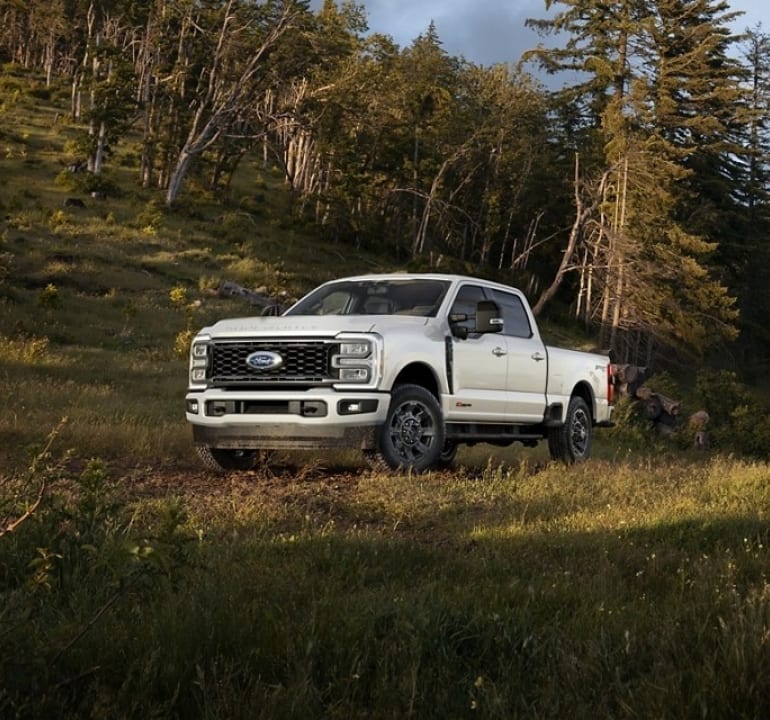
Shop Ford Super Duty trucks at Wendle Ford and dial in the right capability for Spokane-area towing, hauling, and worksite demands.
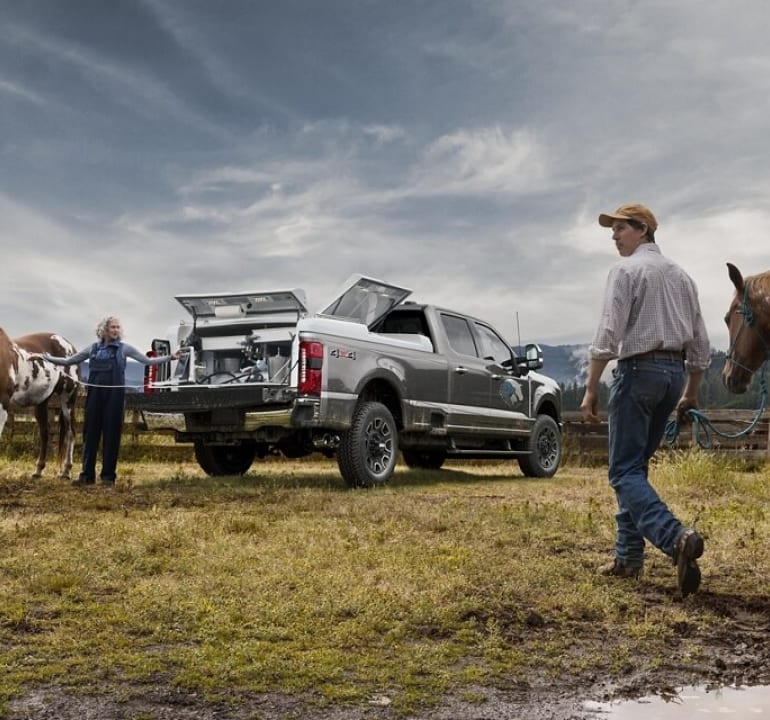
The Ford Super Duty lineup is built for the kind of heavy-duty jobs that don’t fit neatly into “weekend project” territory—think equipment trailers, large campers, material loads, and real commercial demands. Around Spokane, that often means pulling up I-90 toward the passes, running between job sites in Spokane Valley and Airway Heights, or carrying serious payload through winter weather on the South Hill. The key to loving a Super Duty long-term is matching the truck’s configuration to your actual use: how you tow, what you haul, where you drive, and how often you’ll rely on it every day.
If you want a quick overview of what’s available, start with our Ford Super Duty research page—it’s a helpful hub for seeing the family (F-250, F-350, and F-450) and the trim progression. You can also browse the broader model showroom to compare other Ford trucks when you’re deciding whether heavy-duty capability is necessary or just “nice to have.”
Super Duty trucks are designed around towing and payload confidence, and the lineup supports a wide range of trailering setups—conventional, fifth-wheel, and gooseneck. Because maximum numbers vary by model, engine, axle ratio, bed length, and equipment, the smartest approach is to define your trailer type and target weight first, then build the truck around that goal. For a quick reference point on Ford towing across the lineup (including Super Duty), see How Much Can My Car Tow? and our local guide to the best Ford trucks for hauling and towing in Spokane. Those resources help you frame the “why” behind Super Duty before you get deep into configurations.
On the powertrain side, Super Duty trucks are commonly available with a choice of gas and diesel options depending on model year and build, so you can prioritize simplicity and upfront value or lean into torque and heavy towing confidence. If towing is a frequent requirement (not a once-a-year event), it’s worth focusing on trailering tech and equipment packages that reduce stress—features like integrated trailer brake control, advanced camera views, and available driver-assist tools that support long highway stretches or tight backing situations.
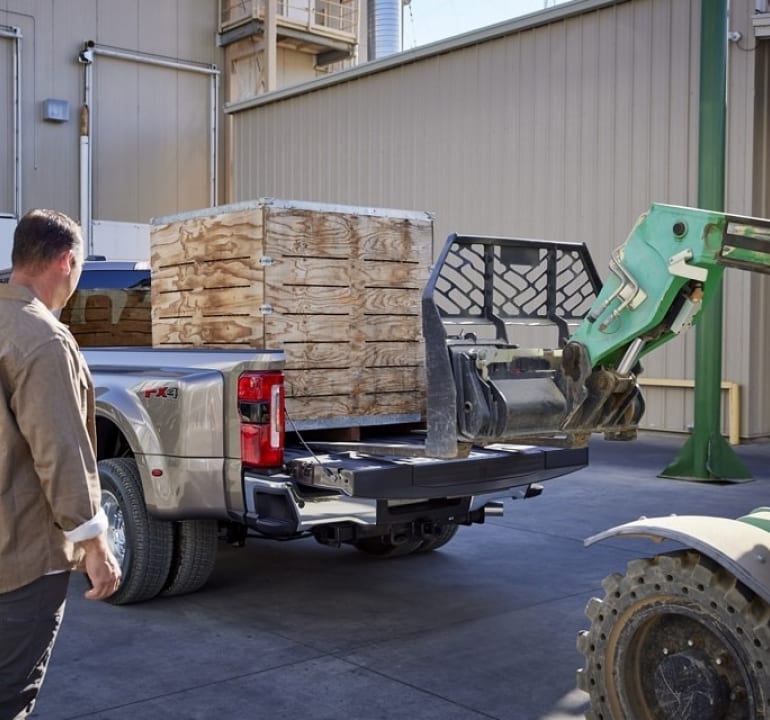
Most buyers narrow their decision quickly once they pick the “right” Super Duty model for the job. As a general guide: the F-250 is a strong fit for heavy towing and payload needs that still want everyday livability; the F-350 is often chosen when you need higher payload capability and/or dually (DRW) stability; and the F-450 is typically for the biggest trailering demands and commercial-grade duty cycles. If you’re planning a camper or equipment setup that’s close to your limits, DRW (dually) configurations can add stability and payload headroom—especially helpful when crosswinds hit on I-90 or you’re working with tall, heavy loads.
Cab and bed choices matter just as much as the badge. Crew Cab comfort can be a game changer if you carry coworkers, family, or gear inside the cab, while bed length and wheelbase affect trailer behavior and maneuverability in parking lots around North Spokane, Liberty Lake, and downtown job sites. Your “best” setup is the one that’s easy to live with on normal days and still confident under load.
For drivers who deal with unplowed access roads, job sites, or backcountry routes outside Cheney or up toward Deer Park, the right traction-focused equipment is worth prioritizing. Many Super Duty builds can be equipped for rougher surfaces with off-road packages and features that improve control at low speeds. If you’re curious about the tech side of trail driving, our guide on Ford Trail Control explains how the system works and where it may be available.
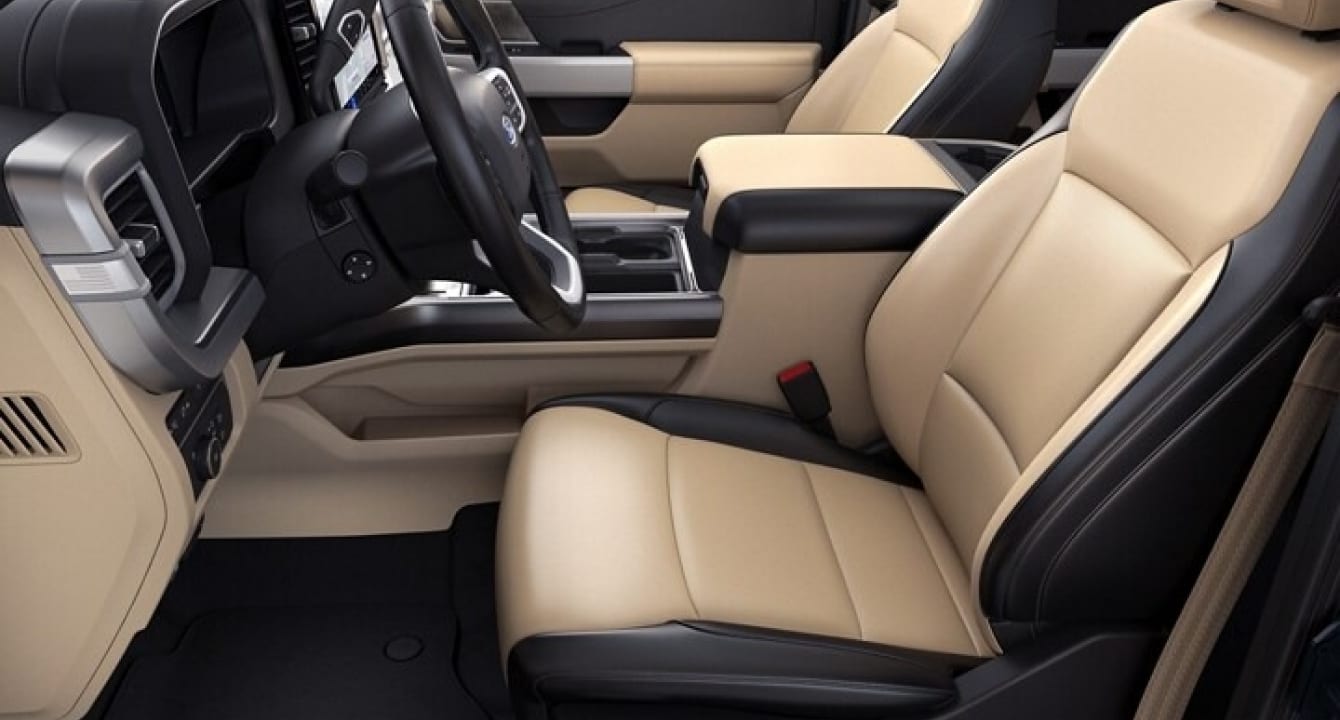
Ford Super Duty trims generally move from work-first practicality to premium comfort and advanced trailering tech. You can explore the lineup and see how each model/trim is positioned on our Super Duty research page. Here’s a simple way to think about the most common trims:
If you’re focused on tailoring a Super Duty for a very specific use case—like a particular color, axle ratio, towing setup, or interior package—consider starting with a custom factory order so you’re not compromising on the key requirements.
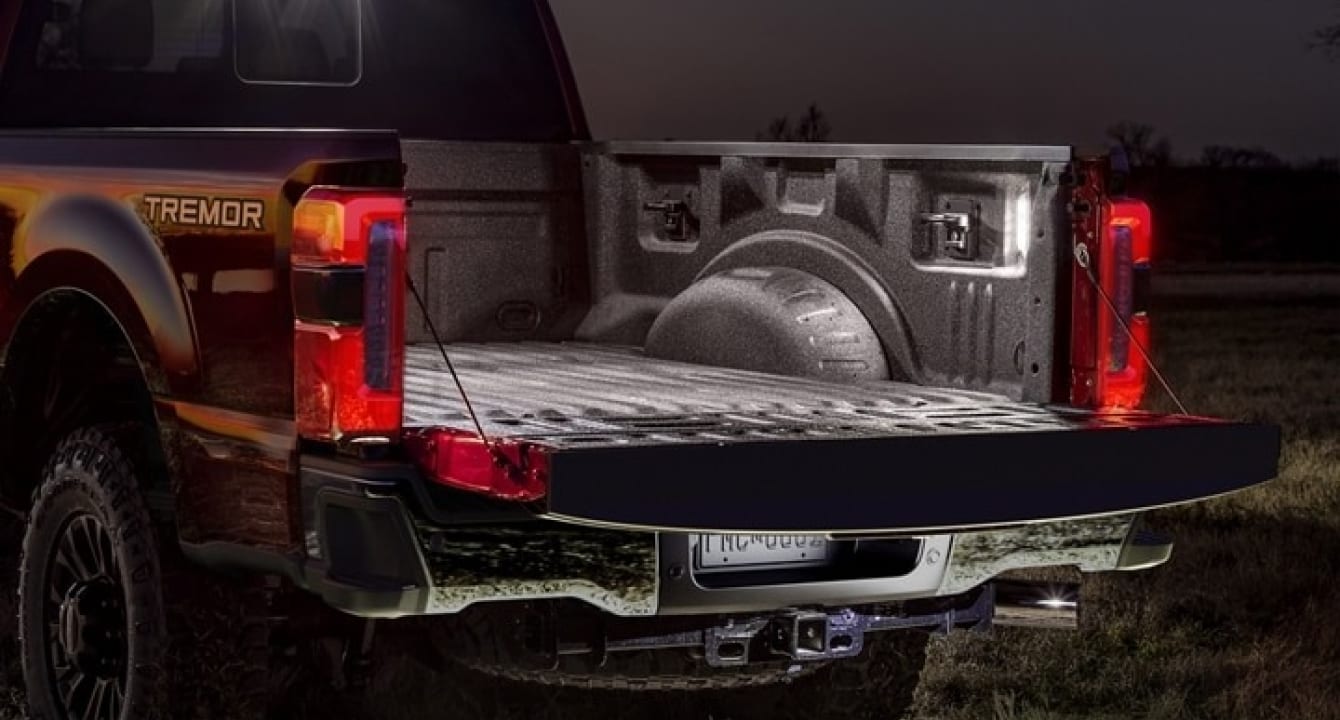
Heavy-duty trucks often become even better with the right accessories—especially if you tow regularly or use your truck as a mobile workstation. For ideas, see our roundup of must-have Super Duty accessories that can support towing, utility, and interior protection. When you’re ready to add equipment, our parts team can help you choose options that match how you use your truck.
When you’re ready to move forward, you can get a head start from home: complete our online finance application, estimate payments with the loan payment calculator, and check your trade value through Value Your Trade. If you have questions about configurations or towing equipment, reach out via our contact page. After you’re on the road, keep your Super Duty ready for Spokane seasons with our service appointment scheduler, and consider convenience programs like Ford Pickup & Delivery and coverage options through Ford Protect.
Think of it as a capability ladder. F-250 is often a great fit for heavy towing and payload needs with everyday usability, F-350 adds higher payload potential and is commonly chosen for dually (DRW) stability, and F-450 is typically reserved for the biggest trailering demands and commercial-duty use. See the model breakdown on our Super Duty research page.
Towing capacity depends on the exact model, cab/bed, drivetrain, engine, axle ratio, and the type of hitch you’re using (conventional vs fifth-wheel vs gooseneck). For a quick reference across the Ford lineup—including Super Duty—review How Much Can My Car Tow?, then we’ll help you match a build to your trailer and Spokane-area driving routes.
Start with your priority: work-ready value (XL/XLT), a balance of comfort and advanced features (Lariat), or premium finishes (King Ranch/Platinum/Limited). If you also want trail-focused capability, certain builds can be equipped with off-road-focused features—learn more about low-speed trail tech in our Ford Trail Control guide.
Common upgrades include hitch solutions (fifth-wheel/gooseneck equipment where appropriate), bed protection, all-weather interior protection, and utility accessories that support worksite organization. For ideas, see our list of must-have Super Duty accessories, and contact our parts department for help matching accessories to your build.