

Reliability of the Mach-E and Other EVs in Spokane
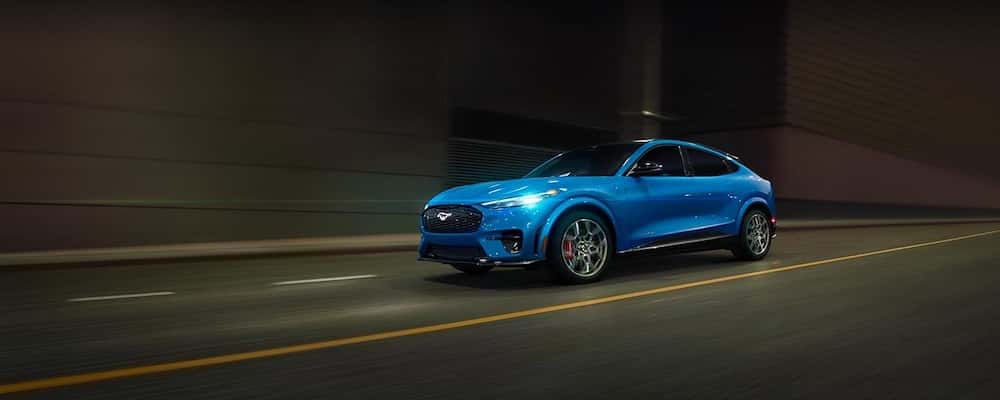
Electric vehicles (EVs) are becoming increasingly popular with each passing year, and it’s easy to see why. Many modern EVs, such as the Ford Mustang Mach-E, offer excellent range and lower maintenance costs compared to their gas-powered counterparts. The availability of high-voltage charging stations nationwide also makes recharging convenient.
Even so, Spokane’s ever-changing weather presents unique challenges for EV owners, making reliability a crucial consideration when shopping for one. In this article, we’ll examine just how reliable the Mach-E and similar EVs are in Spokane and share some maintenance tips to keep your EV running in any weather.
Ford Mustang Mach-E: Built for Everyday Dependability
Ford’s Mustang Mach-E comes with two battery options, each delivering a decent amount of range. Equipped with the standard range 73 kWh battery, it provides an impressive range of 260 miles. Meanwhile, models outfitted with the extended range 88 kWh battery can travel up to 300 miles on a single charge.
The Mach-E is also capable of handling a wide range of driving conditions thanks to its rear-wheel drive and available electronic all-wheel drive. The rear-wheel drive lets you unlock the SUV’s maximum range on models equipped with the standard range battery, making it ideal for everyday commutes on I-90. The electronic all-wheel drive optimizes traction for better performance on slippery roads and dirt trails, which makes it perfect for weekend adventures to Riverside State Park.
How Cold Weather Affects EV Performance and Range
Winters in Spokane don’t always experience heavy snowfall. However, it’s not uncommon for temperatures to drop to as low as 23°F. Temperatures that low can be tricky for EV owners in the region to navigate.
One major challenge electric car owners are likely to witness is a drop in range. That’s because modern electric vehicles are powered by lithium-ion batteries, which generate power through chemical reactions. Sharp drops in temperature slow down these reactions, reducing battery efficiency.
But low battery efficiency isn’t the only thing you need to worry about when driving your EV in winter. The slowdown of chemical reactions due to prolonged exposure to cold temperatures reduces battery capacity, resulting in the battery discharging quickly and taking longer to charge.
Maintenance and Service Considerations for Electric Vehicles
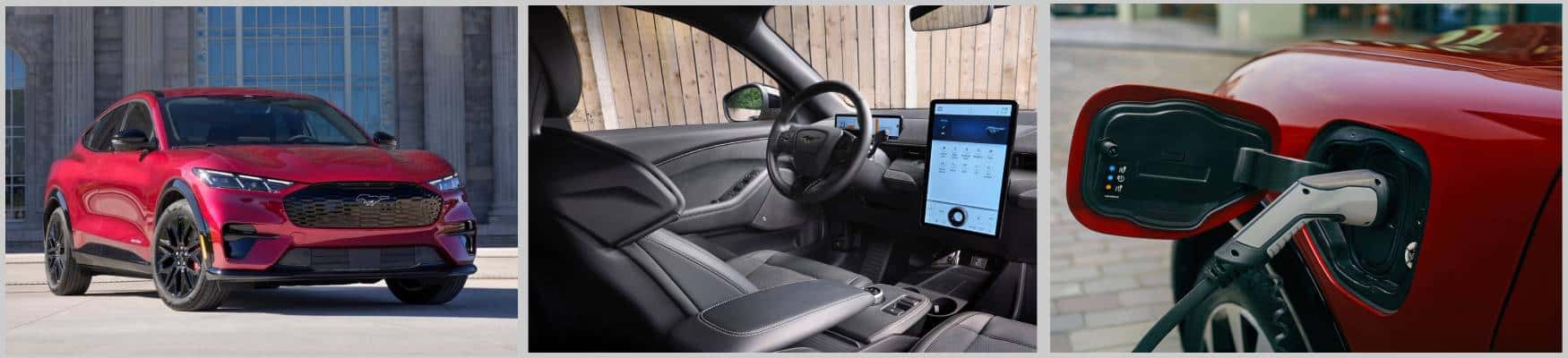
Granted, Spokane’s freezing winters can be tricky for owners of electric cars to navigate. However, the following maintenance tips can help your EV perform at its best in cold weather.
Precondition Your Vehicle
One of the best things you can do before hitting the road on a chilly Spokane morning is to precondition your EV. Doing so warms up the battery and interior while the car is still plugged in, so it doesn’t have to use stored power for heating. If your EV has a mobile app or built-in timer, schedule preconditioning about 15 to 30 minutes before your trip.
Park in a Garage When Possible
Cold weather can drain battery performance fairly quickly. Parking in a garage or covered area helps reduce heat loss and prevents the battery from cooling too much overnight. If you don’t have indoor parking, look for sheltered spots or park near buildings to block strong winds. Keeping your EV protected from extreme cold not only conserves battery power but also helps maintain consistent range and tire condition throughout the winter.
Use Heated Surfaces
Using the central cabin heater can significantly reduce your EV’s range in winter. Heated seats, mirrors, and steering wheels offer an energy-efficient alternative. They use less power while still keeping you comfortable. Try lowering the cabin temperature slightly and relying more on these features for short drives around Spokane.
Maintain Moderate Speeds
Driving habits influence energy consumption more than many realize. Cold air increases aerodynamic drag, which becomes more noticeable at higher speeds. Maintaining moderate speeds and accelerating gently can help preserve battery power. Slowing down also allows regenerative braking to recover more energy, improving your EV battery’s efficiency in winter conditions.
Ensure Your Tires Have the Right Pressure
Cold weather causes the air to become denser, leading to a reduction in tire pressure. As a matter of fact, your EV tires lose one to two psi for every 10 degrees of temperature drop. Unfortunately, driving with underinflated tires increases drag, resulting in more power usage. It also causes you to lose traction, making it harder to maintain control on icy roads. Always check and inflate your tires to the manufacturer’s recommended levels before driving your EV in winter.
Why Spokane Drivers Can Trust Ford’s EV Engineering
Ford electric vehicles are highly sought after by drivers in Spokane, and it’s not hard to see why. Ford’s EVs have been built to handle extreme winter driving conditions. The Mustang Mach-E offers excellent traction through its responsive electric all-wheel drive, helping you stay steady on icy hills and slick intersections. Its battery system easily adapts to cold weather and maintains energy efficiency even when temperatures drop below freezing. You can also use preconditioning to warm the cabin and the battery while the vehicle is still plugged in, ensuring you start each trip comfortably.
Ford designs its electric lineup for real-life conditions, not just mild climates. Features such as regenerative braking, heated seats, and smart power control keep performance smooth and reliable in every situation. Whether you’re running errands downtown or heading toward Spokane Valley, you can trust your Ford EV to deliver remarkable performance throughout the winter.
Confident EV Ownership Starts at Wendle Ford
Are you in the market for your first EV or looking to upgrade? Wendle Ford is the number-one destination for Spokane drivers seeking to transform their commutes with the latest Ford models. Our dealership stocks a wide selection of high-quality electric vehicles, including sedans, SUVs, and trucks. Explore our inventory to find your perfect EV, and contact us to kick-start your ownership journey today.
Frequently Asked Questions
How much range loss should I expect in Spokane winters?
Cold temperatures can reduce usable range by roughly 15 to 30 percent depending on speed, heater use, and wind. Preconditioning while plugged in, using seat and wheel heaters, and driving at moderate speeds help minimize loss.
Should I charge my EV to 100 percent in cold weather?
For daily use, 80 to 90 percent is usually sufficient and healthier for the battery. Charge to 100 percent before longer winter trips and begin driving soon after the charge completes to keep the pack warm.
Does all-wheel drive replace the need for winter tires?
No. AWD improves traction when accelerating, but winter tires provide better grip for turning and stopping on snow and ice. For Spokane conditions, AWD plus winter tires offers the best control.
What is the most efficient way to heat the cabin?
Precondition the vehicle while plugged in, then set a modest cabin temperature and rely on heated seats and steering wheel. This keeps you comfortable while reducing the energy used by the main cabin heater.
Can I leave my EV plugged in during freezing temperatures?
Yes. Leaving the vehicle plugged in lets the battery management system maintain temperature and helps preserve range. Use scheduled departure or preconditioning to warm the pack before you drive.
What tire pressure should I run when it gets cold?
Tire pressure drops about 1 to 2 psi for every 10 degrees of temperature decrease. Check pressures when tires are cold and inflate to the door jamb specification to maintain range and traction.
0 comment(s) so far on Reliability of the Mach-E and Other EVs in Spokane