

When To Replace Brake Pads on Ford Trucks and SUVs
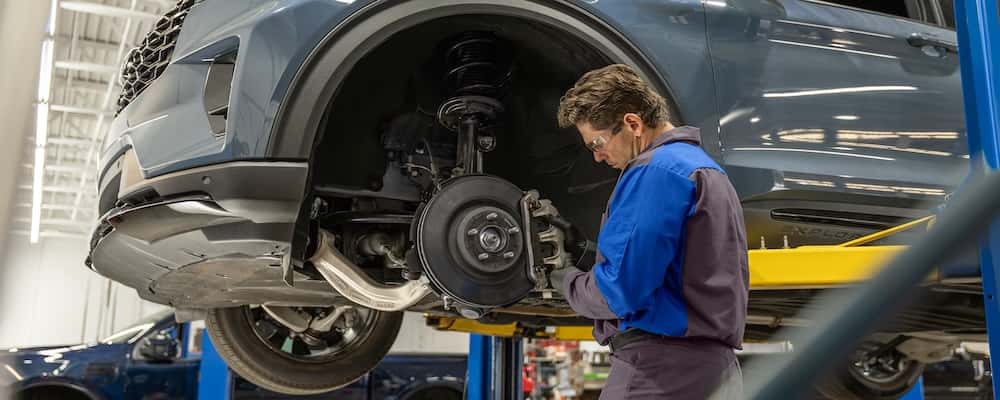
Brake pads are one of those maintenance items that’s easy to overlook until something feels wrong. For Ford truck and SUV owners, staying ahead of brake wear matters more than most people realize. These vehicles are built for heavy use, and their braking systems take on significantly more stress than a typical sedan. Knowing when to replace brake pads on a Ford, and catching the early warning signs, can save you real money and keep you safe. If you’re already noticing something off with your brakes, we encourage you to schedule a service appointment before the situation gets more serious.
Why Ford Trucks and SUVs Put More Demand on Brake Pads
Ford trucks and SUVs are purpose-built machines. Whether you’re hauling a trailer, loading the bed with supplies, or pushing through rough terrain, your vehicle handles demands that most passenger cars never face. That added workload doesn’t just affect the engine or tires. It puts real pressure on your braking system too.
The physics are straightforward. Heavier vehicles require more friction force to slow down, which means brake pads work harder on every single stop. A fully loaded F-150 towing a trailer carries far more kinetic energy than a compact car, so the friction required to bring it to a safe stop generates considerably more heat and wear. That extra demand shortens pad lifespan compared to lighter vehicles driven under similar conditions.
Driving habits common among truck and SUV owners compound this further. Frequent stop-and-go driving, towing through traffic, and off-road use all accelerate pad degradation. If you use your Ford the way it was designed to be used, brake maintenance deserves your full attention.
Warning Signs Your Ford’s Brake Pads Are Wearing Down
Your Ford will usually tell you when something’s off with the brakes, often before things get dangerous. Brake pads wear gradually, and while the early decline can be subtle, specific signs become hard to miss as the pads approach the end of their life. Knowing how to tell if brake pads need replacing means paying attention to sounds, sensations, and dashboard alerts.
Squealing, Squeaking, or Grinding Noises
That high-pitched squeal when you press the brake pedal isn’t random. Most brake pads include a small metal wear indicator integrated directly into the pad material. When the friction material thins to a critical level, this tab contacts the rotor and creates the squeal you hear. It’s an intentional alert system built into the brake pad design, and it means the time to act is now.
Ignore it long enough, and the squeal turns into grinding. At that point, the pad material has worn through entirely and the metal backing plate is contacting the rotor directly. That causes rotor damage, turning a simple pad replacement into a more involved and expensive repair. Acting on the squeal early prevents that chain of damage from starting.
Changes in Pedal Feel and Stopping Distance
How the brake pedal feels underfoot can tell you a lot about your braking system’s condition. A soft or spongy pedal, or one that sinks closer to the floor before the brakes engage, often points to worn pads or hydraulic issues such as air in the brake lines. Either way, it needs prompt attention.
Longer stopping distances are another clear signal. If your Ford seems to need more road to slow down than it used to, the pads may no longer be generating enough friction. Increased pedal travel before braking engages is also worth noting. These are direct safety concerns, particularly at highway speeds or in an emergency.
Pulling, Vibration, or a Dashboard Warning Light
A Ford that pulls to one side during braking usually means uneven pad wear or a sticking caliper. One side of the braking system is generating more friction than the other, creating an off-center feeling that affects vehicle control.
Vibration or pulsation through the brake pedal typically points to warped rotors, which can happen when brakes overheat repeatedly or when neglected pads have allowed metal-to-metal contact. A shaking pedal under braking is a reliable sign that professional evaluation is needed. An illuminated brake warning light should never be ignored either. The sensor monitors pad thickness, and when it triggers, immediate inspection is required. We’d rather you call us for a quick look than wait to see if the light goes off on its own.
How Spokane Driving Conditions Accelerate Brake Wear
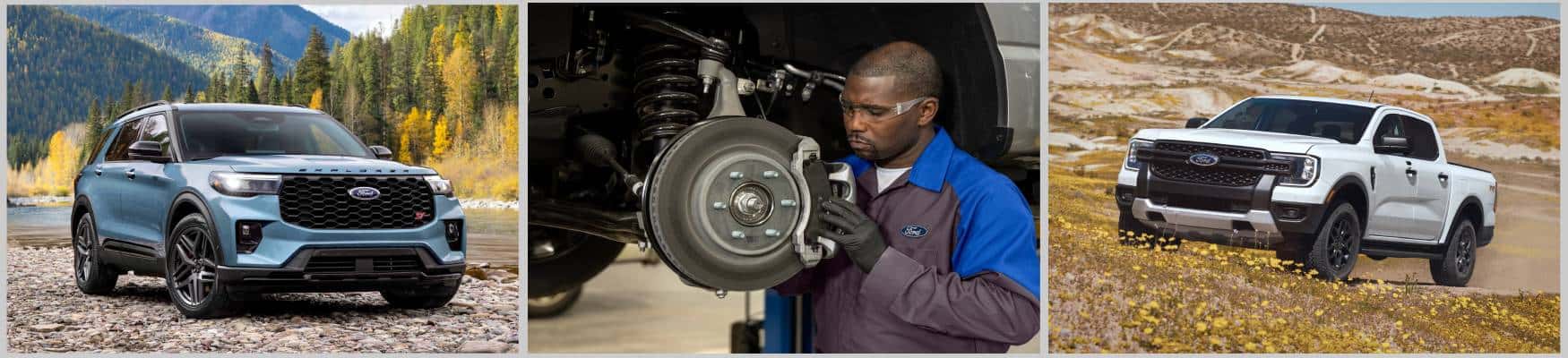
Spokane’s geography and climate create conditions that are genuinely hard on brake pads, and we see the results of this regularly in our service center. The city’s hilly terrain means frequent elevation changes and more braking on descents compared to flat driving environments. Drivers who regularly travel mountain routes like Sherman Pass or navigate between Spokane and surrounding Inland Northwest communities know how actively the brake pedal gets used on those trips.
Heat buildup is the primary mechanism that shortens brake life on demanding terrain. Extended descents require constant brake application, and the heat generated during that sustained friction accelerates pad wear significantly. This is true whether you’re coming down out of the mountains or simply working through the South Hill neighborhood on a daily commute.
Winter adds its own complications. Snow and ice increase sudden braking frequency and create conditions where stopping distances become less predictable. Drivers naturally apply the brakes harder, generating more heat in brake components even at lower speeds. Wet spring and fall roads create similar demands. Then there’s the stop-and-go reality of the Division Street corridor or commuting across town during peak hours, which keeps brake pads in near-constant use.
For Spokane-area truck owners who also tow, those load weights compound every factor above. A pickup hauling a boat trailer to Lake Spokane and braking on the return route downhill is putting considerable stress on the entire braking system with every stop. Taken together, Spokane drivers may find themselves replacing pads more frequently than those in gentler climates, and staying on top of inspections matters more here because of it.
The Real Cost of Waiting Too Long to Replace Brake Pads
Delaying brake pad replacement rarely saves money. The progression is straightforward: squealing pads that go unaddressed eventually grind, and grinding means the metal backing plate is now contacting the rotor directly. Rotors that have been scored and grooved by direct metal contact cost significantly more to address than pads alone. If the damage is extensive, calipers and other brake hardware may need attention too. What starts as a straightforward pad replacement becomes a considerably larger repair.
Beyond the financial side, there’s the safety reality. Worn pads directly compromise your vehicle’s ability to stop quickly and reliably. For a heavy truck or SUV carrying passengers or pulling a load, diminished braking performance creates genuine risk. Brake pads thinner than approximately 3 to 4mm require replacement, and reaching that point without acting means the margin for safe stopping has already shrunk considerably. Staying ahead of wear is simply the smarter and more responsible choice.
How Often Should Ford Truck and SUV Owners Have Brakes Inspected?
The honest answer is that it depends on how and where you drive. For drivers who regularly tow, navigate hilly terrain, or deal with heavy stop-and-go traffic, we recommend brake inspections at least once a year or every 12,000 miles. Those patterns place elevated stress on brake components and warrant more frequent monitoring. For drivers with lighter use patterns, inspections can reasonably extend to every 15,000 to 20,000 miles, though that assumes no warning signs have appeared.
Any warning sign warrants immediate inspection regardless of mileage. Sounds, pedal feel changes, vibration, or an illuminated warning light should prompt a visit to our Ford service in Spokane rather than a wait until the next scheduled interval.
Brake inspections are also valuable because wear isn’t always obvious from the driver’s seat. A technician can measure pad thickness directly and assess rotor condition in ways that feel alone can’t reveal. Catching wear early gives you options. You can plan the service on your schedule rather than reacting to grinding on the highway.
What a Professional Brake Inspection at Wendle Ford Covers
A professional brake inspection at Wendle Ford goes well beyond a quick visual check. Our Ford-trained technicians evaluate every key component of the braking system. That includes measuring pad thickness on both inner and outer pads, and inspecting rotor surfaces for grooves, discoloration, and warping that can result from heat stress or neglected wear. Brake fluid levels and condition are assessed, along with pedal responsiveness and overall stopping performance.
The inspection also covers caliper function to confirm brakes are applying evenly across all four wheels, along with an assessment of brake lines and related hardware.
For trucks and SUVs specifically, our technicians assess whether brake components are suited to the vehicle’s weight and how it’s typically used. If you regularly tow or drive demanding terrain, we may recommend upgraded pads or rotors that better handle those conditions. That kind of truck- and SUV-specific evaluation adds real value for owners who use their Fords the way they were designed to be used.
If anything needs attention, our service team walks you through what was found and what’s recommended. No pressure, no unnecessary upselling. That transparent approach to service has been central to how we’ve operated.
Schedule Your Brake Inspection at Wendle Ford
If you’ve noticed any of the signs covered here, or it’s simply been a while since your last brake check, now is the right time to act. Our service department at 9000 N Division St in Spokane is staffed by experienced technicians who know Ford trucks and SUVs inside and out. Whether you drive an F-150, an F-250, an Explorer, a Bronco, or another model, our team has the training and genuine Ford parts to service your vehicle correctly.
You can book your brake inspection online, call us directly at (509) 565-8931, or visit the contact Wendle Ford page for additional options. Proactive brake maintenance is one of the simplest ways to protect your vehicle, your passengers, and your wallet. Don’t wait for grinding to tell you it’s time.
Frequently Asked Questions About Ford Brake Pad Replacement
How do I know when my Ford brake pads need to be replaced?
Your Ford may need new brake pads if you hear squealing, squeaking, or grinding noises when braking. Other signs include a soft brake pedal, longer stopping distance, vibration, pulling to one side, or an illuminated brake warning light.
Why do Ford trucks and SUVs wear through brake pads faster?
Ford trucks and SUVs are heavier than many passenger vehicles, and towing, hauling, off-road driving, and stop-and-go traffic can all place more stress on the braking system. That extra weight and friction can cause brake pads to wear more quickly.
How often should I have the brakes inspected on my Ford truck or SUV?
If you tow, drive in hilly areas, or deal with heavy stop-and-go traffic, brake inspections are recommended at least once a year or every 12,000 miles. Drivers with lighter use may be able to inspect brakes every 15,000 to 20,000 miles, unless warning signs appear sooner.
Can Spokane driving conditions wear down Ford brake pads faster?
Yes. Spokane-area hills, winter roads, wet weather, stop-and-go traffic, and regional mountain driving can all increase brake use. These conditions can create more heat and wear, especially for Ford trucks and SUVs used for towing or hauling.
What happens if I wait too long to replace worn brake pads?
Waiting too long can cause the brake pads to wear down completely, allowing the metal backing plate to grind against the rotors. This can damage the rotors and turn a simple brake pad replacement into a more expensive brake repair.
What does a brake inspection at Wendle Ford include?
A brake inspection at Wendle Ford includes checking brake pad thickness, rotor condition, brake fluid, pedal feel, caliper function, brake lines, and related hardware. Our technicians can also evaluate whether your Ford truck or SUV may benefit from brake components suited for towing, hauling, or demanding terrain.
0 comment(s) so far on When To Replace Brake Pads on Ford Trucks and SUVs